America250: BNSF, predecessors share historic tracks with nation
By SUSAN GREEN
Staff Writer
When the U.S. became an independent nation in 1776, the country was a virtual frontier. But the American dream was already compelling people to head inland. After the Revolutionary War ended in 1783, westward expansion began in earnest.
In 1803, the Louisiana Purchase nearly doubled the size of the country. The Lewis and Clark expedition mapped the new territory. Thousands followed, seeking land and opportunity.
But the going was slow. Most traveled in wagons or coaches pulled by horses. Canals and rivers were another means, but goods and people could not move quickly or year-round. Meanwhile, by the early 1800s, the locomotive was invented in Britain, and rail transport was launched, carrying people and goods faster than anything else had before.
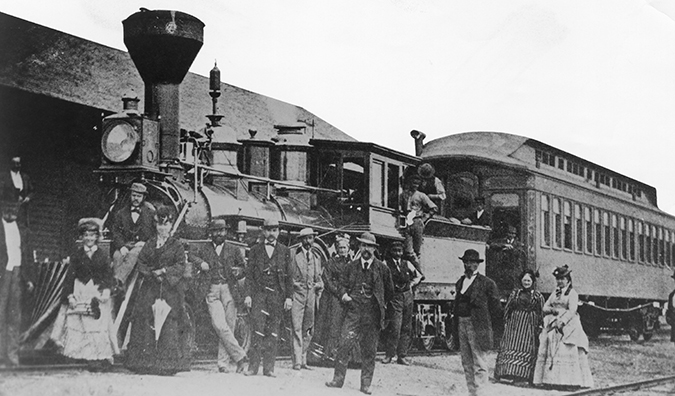
In 1827, the Baltimore and Ohio Railroad was chartered, becoming the first railroad in North America. It and other eastern railroads primarily connected ports and existing population centers.
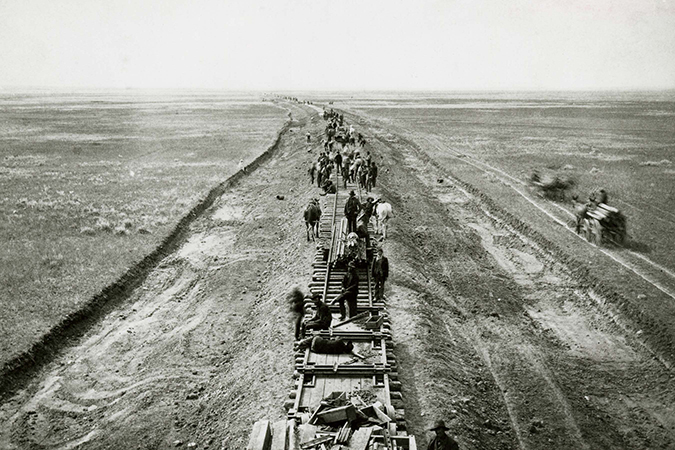
But the West beckoned, and thousands from around the world came to farm and ranch. As they moved in, towns and cities developed, boosted in many cases by rail lines. Rail growth exploded, with 9,000 miles laid by 1850.
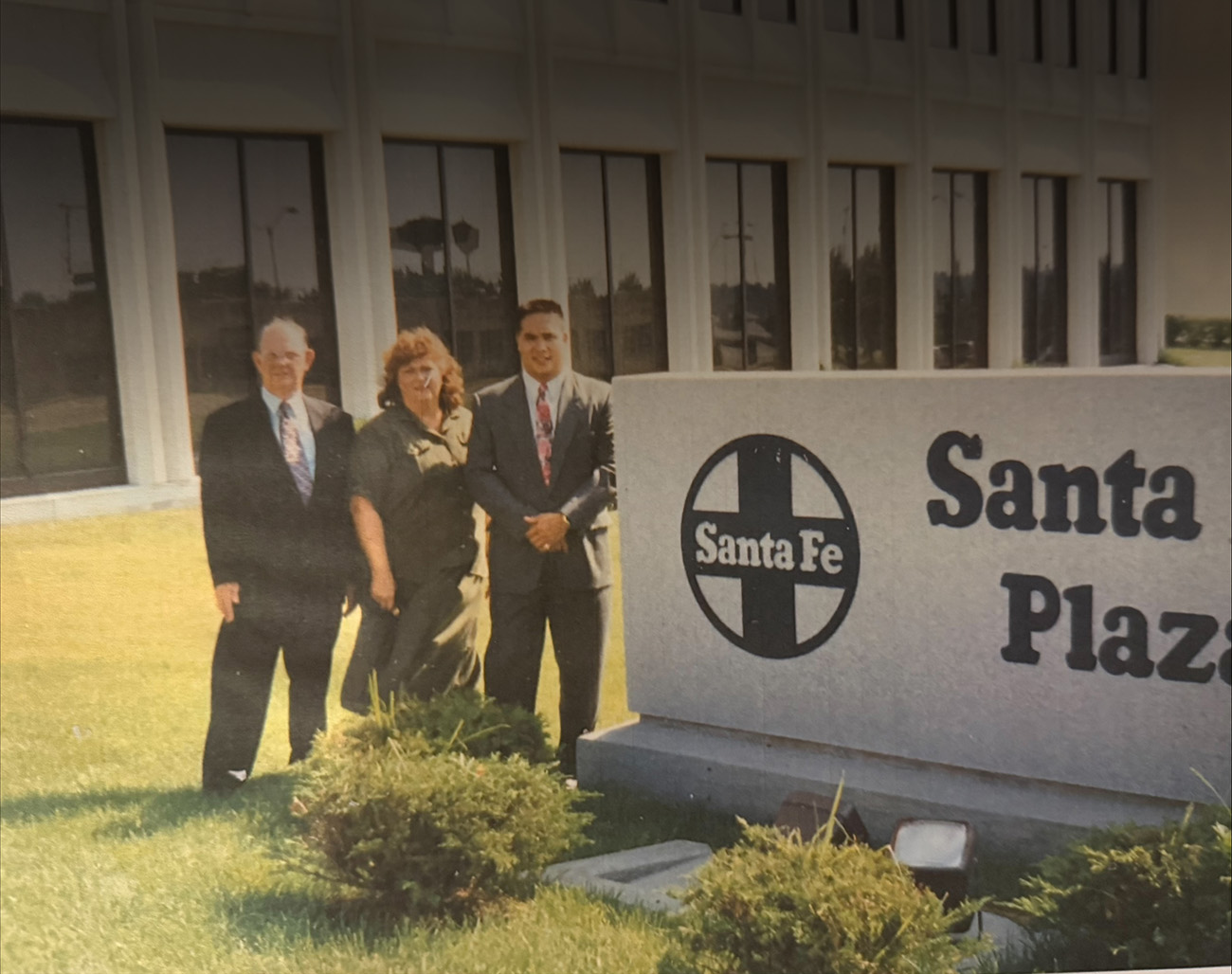
In 1849, BNSF’S earliest predecessor railroad, the Aurora Branch line, was founded. It was a six-mile-long track between Batavia, Illinois, and West Chicago. Ten years later, the charter was approved for what would become the Atchison, Topeka & Santa Fe Railway (Santa Fe) in Topeka, Kansas.
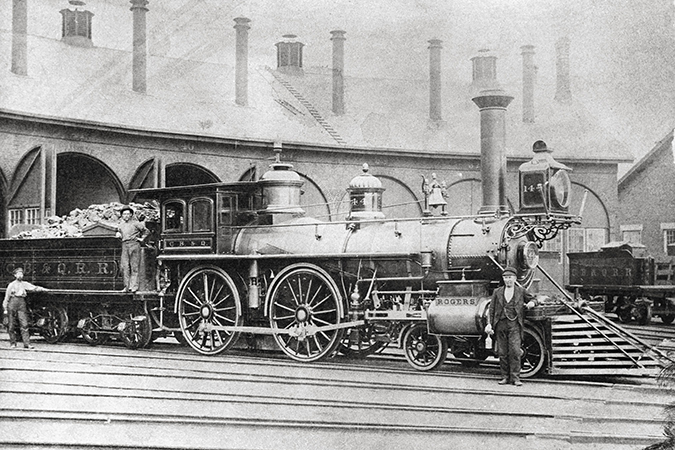
Over the years, 400+ rail lines combined to become what is today BNSF.
As lines grew in the mid-1800s, so did technology. Communication was carried by the click of the telegraph as the wires running beside the tracks carried constant updates on train locations. Both were integral to the Civil War as trains brought soldiers and military supplies, and the telegraph helped coordinate the moves.
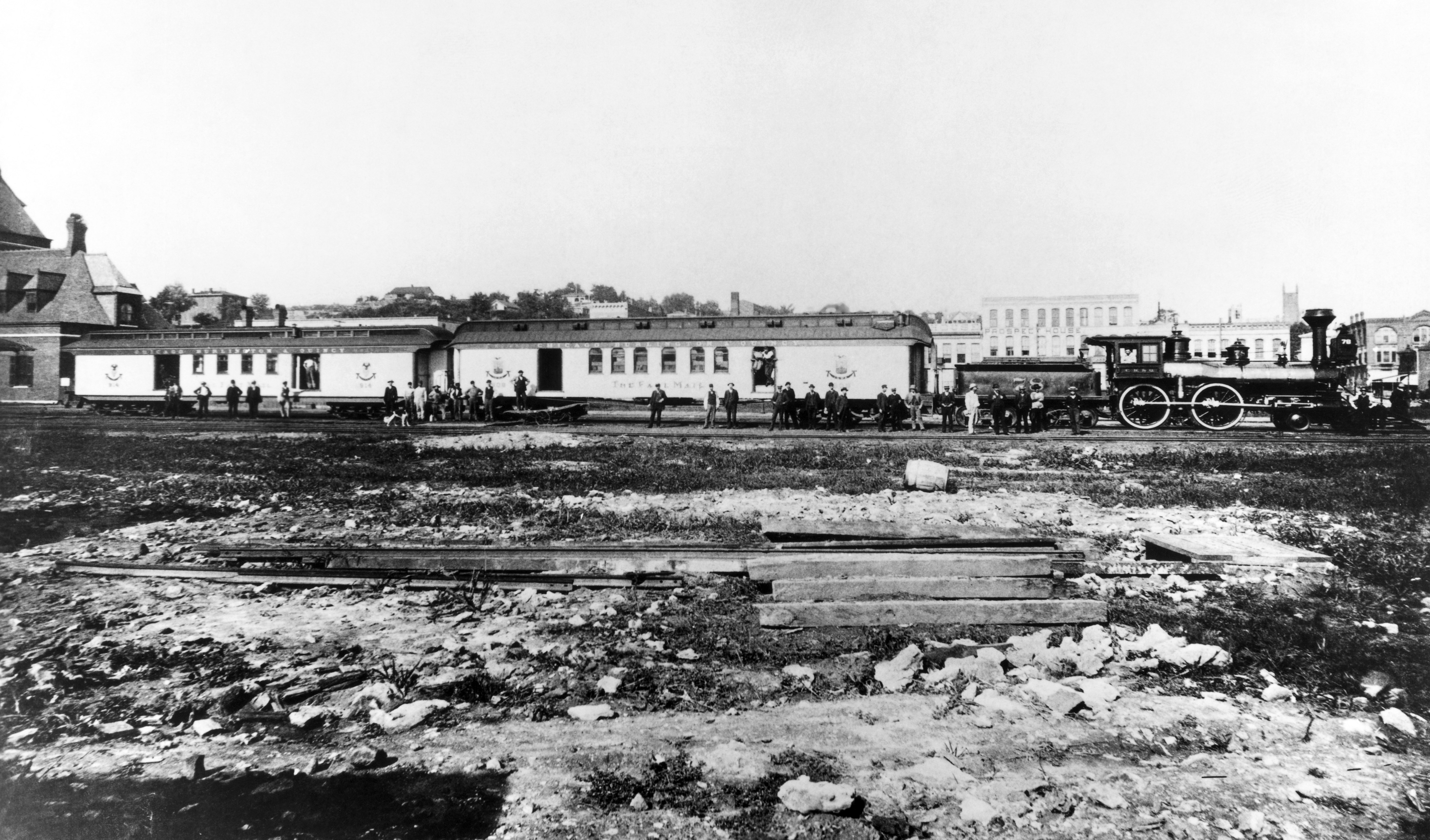
After the Civil War, massive population shifts and industrial growth began, with one BNSF predecessor, the Chicago, Burlington & Quincy (CB&Q), tripling its size. The CB&Q was highly successful and innovative, introducing railcars equipped to sort U.S. mail during transit.
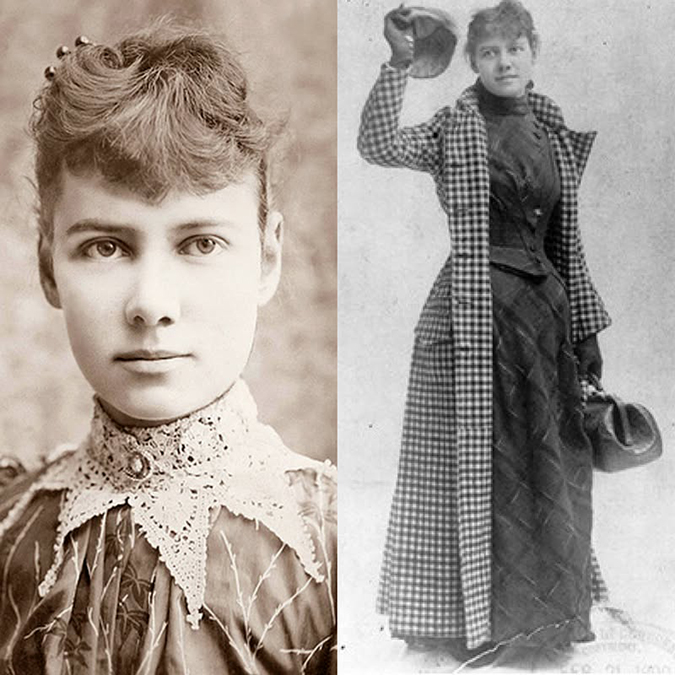
Santa Fe drew fame early. For example, in 1889, journalist Nellie Bly claimed she could travel around the world in 75 days. She embarked from New Jersey on November 14 and landed in San Francisco on January 21, 1890. From there, Santa Fe provided a special train to rush her to Chicago, and when Bly arrived, the run clocked 69 hours for 2,577 miles. The next day, Bly returned to where she started, making the entire journey in 72 days.
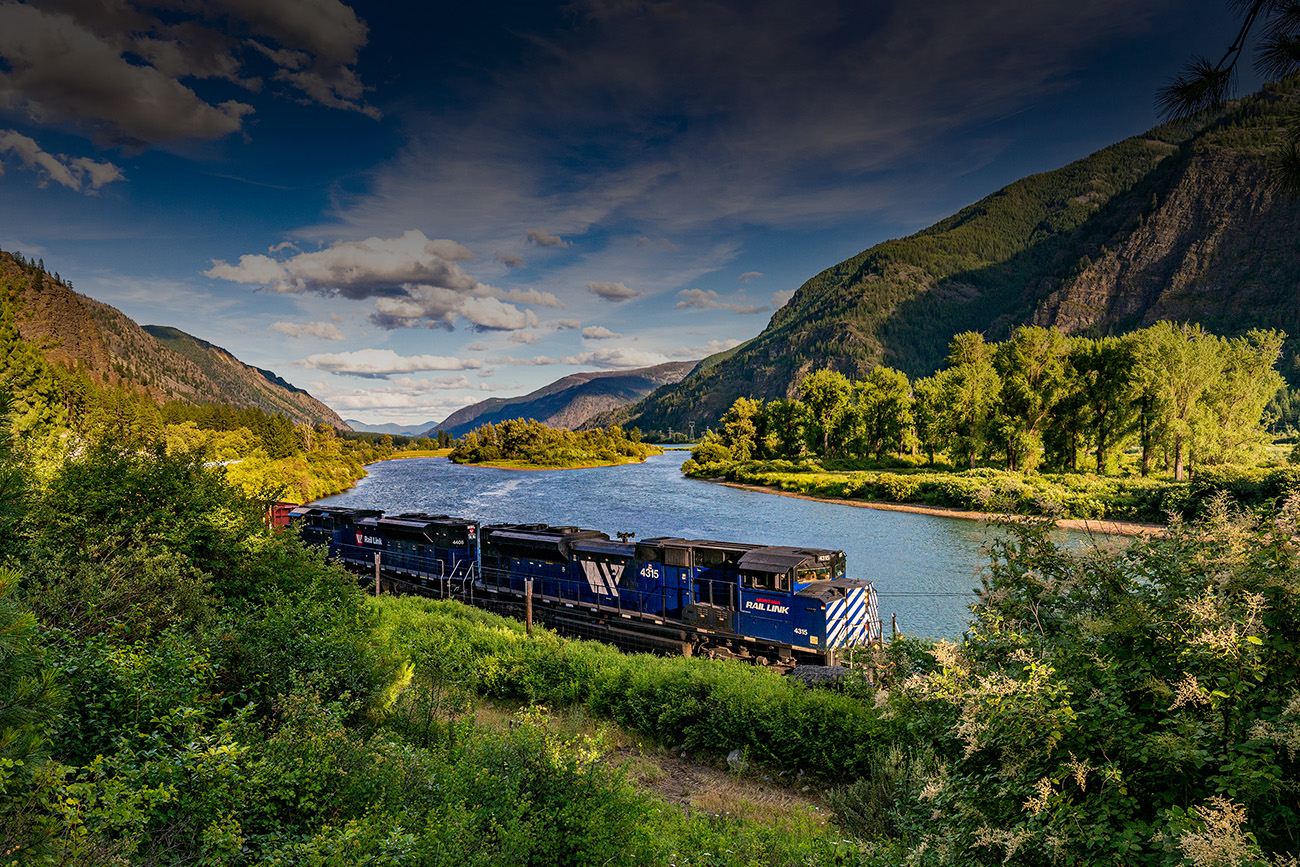
Another BNSF predecessor of note is the Great Northern Railway (GN), formed in 1889, and its leader James J. Hill, “The Empire Builder.” Hill’s railroad was built first across Minnesota, into Dakota territory and then Montana territory.
When construction reached the Rocky Mountains, Hill’s goal was to find the best pass through the mountains. He hired John F. Stevens, a renowned engineer, to search for it. Stevens found Marias Pass on Dec. 11, 1889. Hill’s GN eventually connected the Midwest to the Pacific Northwest.
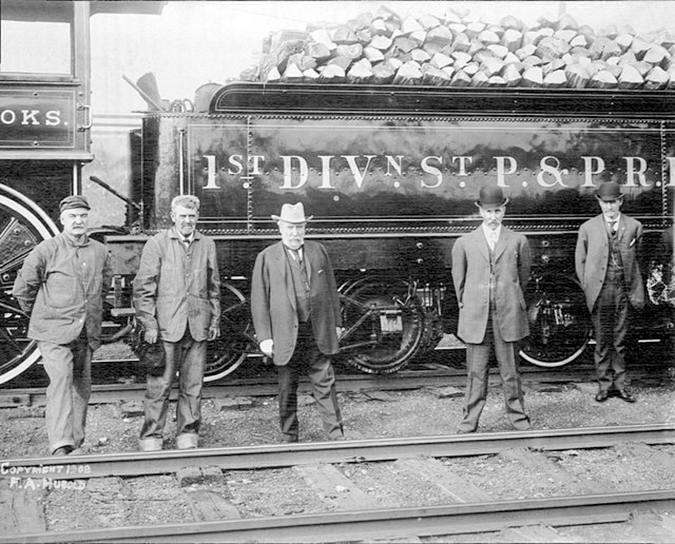
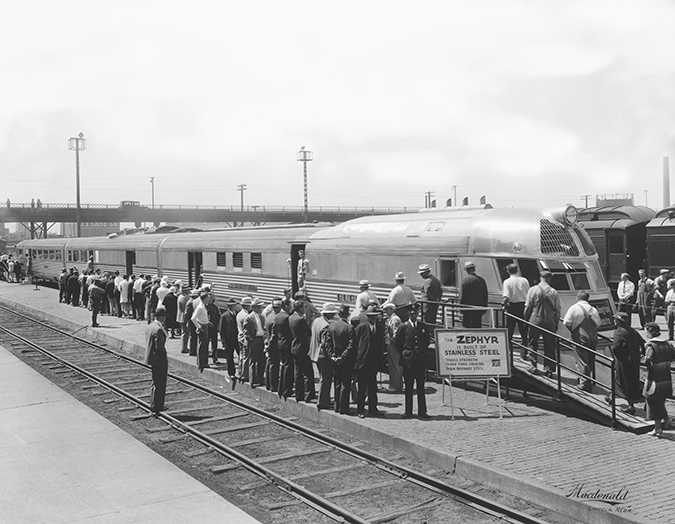
CB&Q introduced the Zephyr, America’s first diesel-electric, streamlined passenger train in 1934. The Pioneer Zephyr made history with its record-breaking non-stop run from Denver to Chicago. The sleek streamliner covered the 1,015.4-mile distance in just 13 hours and 5 minutes, averaging nearly 78 mph and reaching a top speed of 112 mph.
World War II brought an unprecedented increase in freight and passenger traffic, including troop trains. A quarter century after the war ended, as the Apollo 11 crew landed on the moon on July 20, 1969, and Woodstock took place that August, the freight rail industry was in crisis. Regulations and competition from the trucking industry led to bankruptcies and consolidations. As airlines rapidly grew, passenger train traffic dropped.
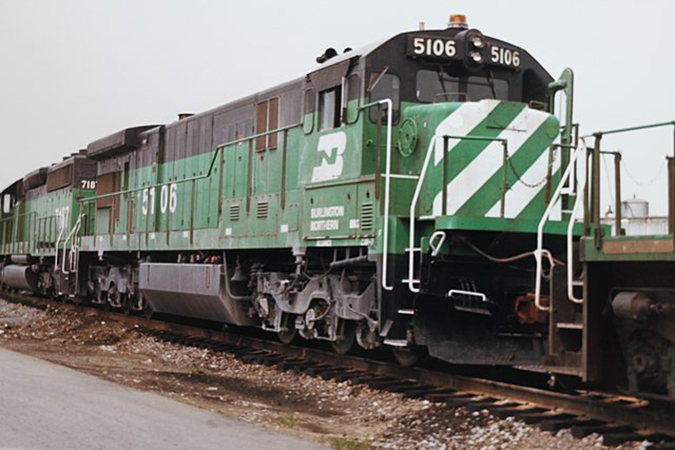
A milestone in 1970 gave the industry optimism when four major predecessors came together to form the Burlington Northern Railroad (BN). The new company connected Texas’ Gulf Coast to the northern Midwest and to the Pacific Northwest’s ports.
Ten years later, the Frisco joined BN at a critical time. The economic reality was that railroads could not prosper under restrictive federal regulation. Partial deregulation was realized with the Staggers Rail Act of 1980, under which freight railroads were able to set rates and were free to negotiate contracts with customers. The act sparked greater efficiency and innovation, while resulting in lower rates for shippers.
The 1990s would bring even more change. The Cold War ended and BNSF was formed when BN and Santa Fe joined forces in 1995.
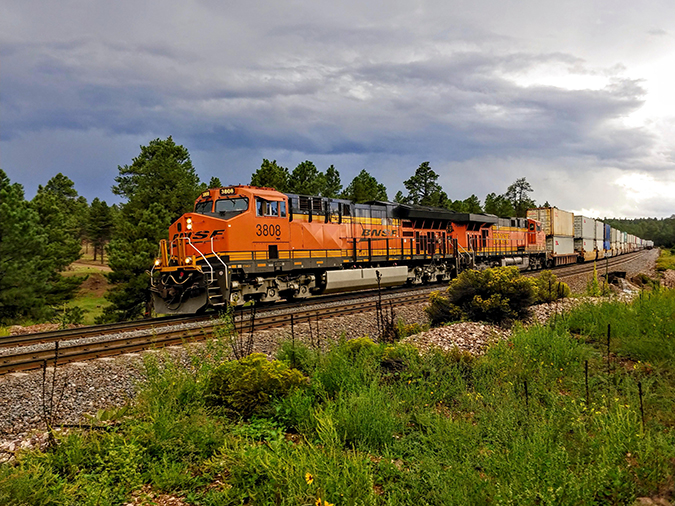
With the new millennium, change has come even faster. Berkshire Hathaway, led by legendary investor Warren Buffett, acquired BNSF in 2010. Today, we are North America’s premier freight railroad, and in 2025 BNSF had its safest year in history.
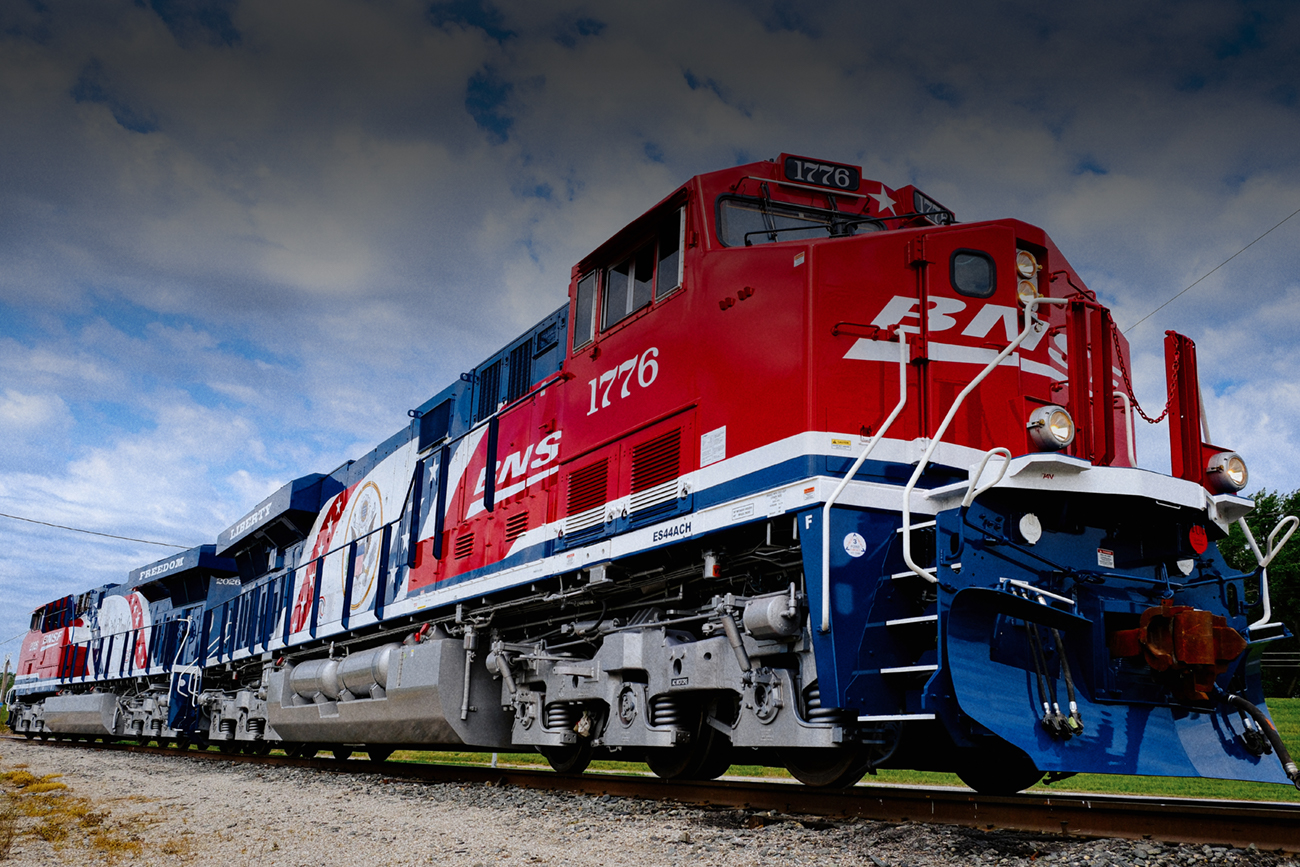
As we approach the 250th anniversary of our nation, we’re proud of the role BNSF has played in our nation’s history.
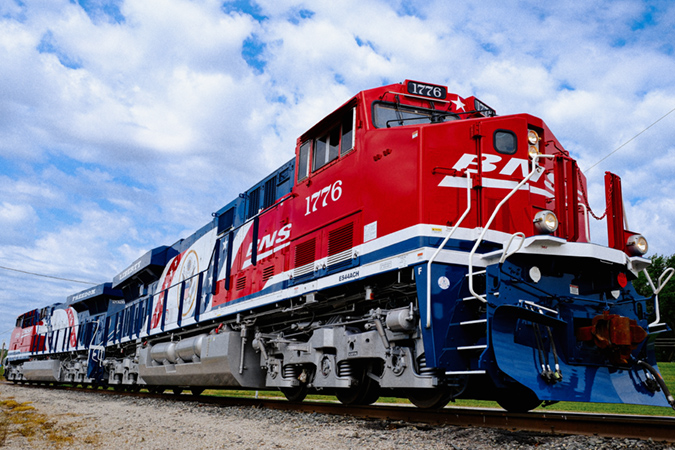
“Few institutions are woven into the American story quite like the railroad,” said BNSF President and CEO Katie Farmer. “From opening the West to powering the nation’s supply chain, BNSF and our 400+ predecessor lines have helped move the goods that feed, clothe, supply and strengthen communities across the country.”
We can’t wait to see what the next 250 years bring!
NOTE: The historical photos in this story were in compliance with the safety rules of the time.
BNSF Railway and its place in American history
BNSF and its predecessors have played a crucial role in our nation’s growth.